Exploring House Selection on Pottermore: A Deep Dive
Intro
In the realm of modern fandoms, few experiences rival the engagement offered by Pottermore, a platform crafted to immerse fans deep into the intricacies of the Harry Potter universe. It’s a digital playground where every click brings you closer to your magical identity. One of the most significant components of this experience is the house selection process. For many, it’s more than just a quiz; it’s a rite of passage that shapes their connection to the world J.K. Rowling has masterfully built. This article aims to dissect the Pottermore experience, shedding light on how fans discover their house and the implications this identity has on their journey within the wizarding world.
Overview of the Pottermore Experience
Stepping onto the Pottermore platform can feel like striding through the towering gates of Hogwarts, with that rush of nostalgia mingling with curiosity. As one embarks on the house selection journey, a few pivotal concepts emerge, helping to frame the discussion around Pottermore's allure:
- House Identity: The choice of house isn’t merely whimsical; it aligns with psychological traits and ideals that one might resonate with, echoing how each house represents core values.
- Cultural Significance: Understanding the foundational traits and histories of Gryffindor, Hufflepuff, Ravenclaw, and Slytherin unveils the cultural fabric of the student body.
- Community Engagement: The sense of belonging that arises from house affiliation encourages fans to connect with others, thus transforming solitary experiences into shared communities.
"Pottermore is not just about finding your house; it's about stepping into a community where every member shares the enchantment."
The Process of House Selection
Getting sorted into a house is an experience layered with anticipation and emotional resonance. The sorting hat quiz not only tests your opinions and instincts but also your intrinsic values. The interaction is designed to feel personal. Here’s what you can expect:
- Initial Questions: The quiz begins with a series of thought-provoking questions. These prompt you to dig deep into your preferences—whether you seek adventure, loyalty, wisdom, or ambition.
- House Values: As potential responses are articulated, users can frequently find themselves aligning with certain houses. Each house’s impending traits manifest in the types of questions presented.
- The Moment of Truth: After answering, the click that reveals your house is met with excitement—will it be the bravery of Gryffindor, the cunning of Slytherin, the loyalty of Hufflepuff, or the intelligence of Ravenclaw?
The Importance of House Identity
House identity on Pottermore serves a dual purpose. On one hand, it’s a personal badge of honor that intertwines with one’s self-image; on the other, it acts as a gateway into a dynamic community of like-minded individuals. Each house offers a distinctive emotional appeal:
- Gryffindor – For those who cheer for courage and valor.
- Hufflepuff – The champions of loyalty and hard work.
- Ravenclaw – A haven for knowledge and creativity.
- Slytherin – A fortress of ambition and resourcefulness.
Community Connections
As each fan continues to explore their identity through the lens of their chosen house, Pottermore remains a unique touchstone for forging connections that resonate deeply, echoing the shared values of trust, bravery, intelligence, and ambition.
Understanding Pottermore's Concept
The realm of Pottermore is not just a website; it serves as a vibrant extension of the Harry Potter universe, inviting fans to immerse themselves deeply in its lore. Understanding Pottermore’s concept is essential for fans exploring their house selection journey, as it provides context to the entire experience. It’s where the magical elements blend with interactive storytelling, creating a unique narrative that enchants its audience. Exploring Pottermore leads to self-discovery, revealing fans' identities as they connect with the various facets of the wizarding world.
Origins and Purpose of Pottermore
When J.K. Rowling launched Pottermore in 2012, the goal was to enhance the way fans interact with her work, allowing them to delve deeper into the stories of Harry, Hermione, and Ron. It’s crucial to note that Pottermore was not merely a rehashing of the books or films; instead, it offered a new perspective, unveiling mysteries through additional content and backstories.
From its inception, Pottermore aimed to create an engaging community. Users could explore the iconic locations of the series, from Diagon Alley to Hogwarts, each click providing rich lore that expands their understanding of the books. The platform also introduced various features like house sorting, which plays a pivotal role in how fans can identify themselves within this universe. Pottermore's purpose is to cultivate a sense of belonging while introducing individuals to the larger narrative tapestry.
Mechanics of House Sorting
One of the most compelling aspects of Pottermore lies in its house sorting mechanics. This process isn't merely a fun quiz to determine which house you fit into—it's an intricate evaluation of your personality, values, and preferences. Every question in the sorting quiz is crafted to gauge intrinsic qualities, ensuring that each fan’s house reflects their true selves. The structure of the quiz often features scenarios rather than straightforward queries, prompting users to think critically about their choices.
"The choice doesn't always lie in the answers, but in your own reflection on them."
Understanding the mechanics behind this sorting reveals layers of psychological engagement that enrich the user experience. The sorting hat experience, both playful and serious, provides fans with a sense of agency in determining their place in the magical community. Whether a user resonates more with Gryffindor's bravery or Hufflepuff's loyalty, the mechanics are designed to make the sorting feel personal and meaningful. This personalized aspect reinforces one's connection to the house, making fans feel genuinely integrated into the world J.K. Rowling has crafted.
Ultimately, truly comprehending Pottermore's concept reveals much about the significance of house identity. It acts as a framework through which fans can relate their personal traits to the broader narrative, fostering a dynamic community while enhancing their overall engagement with the wizarding world.
The House System: An Overview
Understanding the House System in Pottermore goes beyond mere affiliation with a group. It is about exploring identity, belonging, and the values that individuals hold dear. The four houses—Gryffindor, Hufflepuff, Ravenclaw, and Slytherin—represent not just characteristics but lifelong traits that influence how wizards and witches see themselves and each other. Each house, with its unique qualities, creates a space where fans can connect based on shared beliefs and aspirations.
This section aims to elucidate the significance of each house, reflecting how these identities shape interactions and foster communities. The house system offers more than just a label; it provides a framework for understanding oneself and others within the expansive Harry Potter fandom.


The Four Houses Explained
In the realm of Pottermore, the four houses serve as a vessel for individuals to find their footing. Each house encapsulates a distinct philosophy and set of values that can resonate deeply with individuals.
Gryffindor Characteristics
Gryffindor is often seen as the epitome of courage and bravery. At the heart of this house lies the principle of standing up for what is right, often referred to as the hallmark of a true Gryffindor. People aligned with this house often pride themselves on their audacity and willingness to take risks.
This house’s key characteristic is undoubted bravery. Gryffindors often find it easy to step up during challenging moments, making it a popular choice for those who value heroism. The house's unique feature is its strong emphasis on adventure—a Gryffindor is always ready for a new quest, which can lead to both exhilarating experiences and potential pitfalls, like recklessness.
Hufflepuff Values
Hufflepuff stands firm on the pillars of loyalty and hard work. It's a house that often flies under the radar due to its unwavering dedication to community and fairness, which might make it seem less glamorous than the others.
The key characteristic of Hufflepuff is inclusivity and kindness. This house often attracts individuals who prioritize friendships and shared experiences, making it a beneficial choice for those who value collaboration. One unique feature is the emphasis on diligence; Hufflepuffs tend to be tireless workers. This might come with disadvantages, too, such as being underestimated by others.
Ravenclaw Attributes
The hallmark of Ravenclaw is intellectual curiosity and wisdom. Individuals sorted into this house thrive on ideas and value learning above all.
A key characteristic of Ravenclaw is creativity. This makes it a popular choice among those who enjoy engaging with complex concepts, leading to innovations in thought and expression. The unique feature of a Ravenclaw is their capacity for critical thinking, offering a sharp perspective on challenges, although sometimes they may come across as overly analytical, which can alienate them.
Slytherin Traits
Slytherin is often stereotyped as the house of cunning and ambition, yet it embodies more than just a thirst for power. Those who identify with Slytherin often value resourcefulness and strategic thinking.
The key characteristic here is ambition, which drives many to seek success meticulously. This makes Slytherin a beneficial choice for driven individuals. The unique feature of this house is its keen understanding of the intricacies of social dynamics, which can lead to tremendous successes but can also foster a sense of mistrust, especially among those outside the house.
House Traditions and Symbols
Traditions and symbols bind each house together, creating a culture steeped in history and shared experiences. The crests, colors, and celebrations serve not just as identifiers but as a means of instilling pride within house members.
- Gryffindor: The lion symbolizes courage and compassion, often celebrating triumphs with feasts.
- Hufflepuff: The badger represents hard work and patience, leading to gatherings that emphasize teamwork.
- Ravenclaw: The eagle portrays wisdom and grace, with debates and intellectual challenges being common house activities.
- Slytherin: The serpent reflects ambition and cunning, fostering an environment of strategic events and raw competition.
These elements not only enhance individual identity but paint a vibrant tapestry of community life within the Harry Potter universe, promoting connections that reach far beyond the sorting ceremony itself.
Personal Connection to House Identity
When diving into the heart of Pottermore, one realizes that house identity isn't just a badge to wear; it's deeply intertwined with who we are as individuals. This section will explore how this connection translates into a meaningful experience for fans. The house system offers more than just a mere classification; it creates a tapestry of values, qualities, and communal bonds that resonate with the personal journeys of each participant.
The Role of Personality in House Selection
House selection on Pottermore rolls out like a psychological mirror reflecting aspects of one's personality. While people might joke about being sorted based on favorite colors or animal choices, there’s genuine weight behind this process. Each house embodies a distinct set of attributes that speaks volumes about the person being sorted. For instance, a Gryffindor enthusiast might be outspoken, craving adventure and showing bravery in the face of fear. On the flip side, a Hufflepuff might hold loyalty, fairness, and hard work at their core, gravitating towards a nurturing disposition.
Consider how the process unfolds: it's not just about answering questions. Each query invites introspection, nudging the individual to evaluate their motivations, fears, and aspirations. This engagement beckons fans to reflect on their values and how they see themselves navigating through life. Such personal revelations are where the magic lies.
"The Sorting Hat takes your choice into account, which resonates with the idea that our identities are a mix of personality traits and personal choices."
The Influence of the Sorting Hat Experience
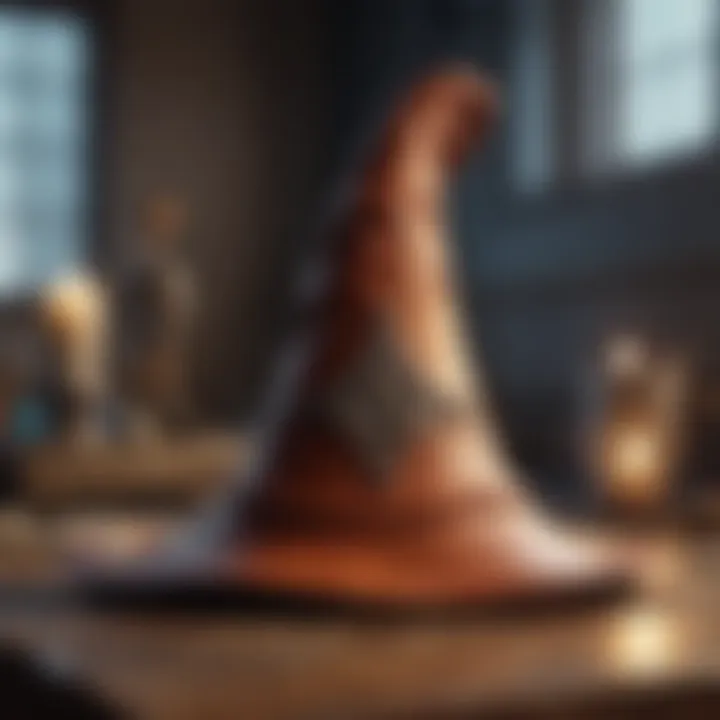
The Sorting Hat represents more than just a whimsical accessory; it is a profound experience that instills a lasting connection to one’s house. As it balances judgment with respect for one’s self-perception, fans often describe this experience as a rite of passage within the wizarding world. It's a moment dripping with anticipation, making you feel like you're stepping into a narrative larger than yourself.
When the Hat makes its choice, it isn’t simply determining whether one belongs with the daring Gryffindors or the cunning Slytherins; it’s weaving a new thread in that person's identity. The emotions felt during sorting reverberate long after, influencing fans' perceptions about camaraderie and connection to others who share the same house.
Over time, this bond matures, as people form clans of sorts—teams that revel in mutual experiences and dive deep into what it means to embody their house's traits. The Sorting Hat’s wisdom doesn't just classify; it empowers. Whether their journey is filled with brave exploits or honorable dedication, house identity becomes a lens through which fans view their interactions within the Harry Potter community.


Community and Shared Experiences
In the enchanting realm of Pottermore, the connection among fans transcends mere house affiliations. Community and shared experiences serve as the cornerstone of this fandom, weaving a fabric of understanding and acceptance amongst its members. Engaging with others who share similar interests in house identities not only strengthens individual beliefs but also fosters a sense of belonging in the larger Harry Potter universe. Cultivating this camaraderie allows for a richer exploration of what it means to be a part of a house, propelling fans into deeper discussions and collaborative activities.
Cultivating House Camaraderie
When a fan discovers their Pottermore house, a spontaneous bond forms with others in that same house. This kinship is evident in various ways, from the thrilling discussions on platforms like Reddit to organized house events on Facebook. Each house—be it Gryffindor, Hufflepuff, Ravenclaw, or Slytherin—brings with it a unique culture and set of traditions that further enriches individual identities.
In the world of Pottermore, house camaraderie can take numerous forms:
- House Challenges: Many fans engage in friendly competitions that measure cleverness, bravery, or loyalty. Sharing experiences during these contests fosters a team spirit and mutual support.
- Social Media Groups: Online communities allow fans to chat and post about their house, sharing anecdotes that highlight the quirky, yet profound, traits associated with each group.
- Creative Projects: Fans come together to create art, writing, and even fanfiction that embodies the ideals of their houses. This creative synergy provides an outlet for individuals to express their identity and enhance collective spirit.
Through these interactions, fans not only discover their house identity but also deepen their sense of mutual respect and friendship.
Fan Interactions within Houses
Interactions among fans play an enormous role in shaping the house experience. They support more than just the exploration of house identity; they facilitate dialogues that challenge and expand one's worldview. Conversations can emerge naturally and often lead to insights about differences and commonalities.
Numerous opportunities exist for fans to connect through house-specific events such as:
- Virtual Meetups: Regularly scheduled gatherings provide a space for fans to discuss house lore, share theories, and even partake in fun quizzes.
- Themed Events: Many fans participate in themed celebrations like house parties, both online and in-person, where they can showcase their house pride while enjoying activities based on house values.
- Community Projects: House groups often collaborate on charitable endeavors, embodying values central to their identity. Hufflepuffs might volunteer at a local shelter, while Gryffindors may organize a fundraising event.
"Being a part of our house means more than just the traits; it’s about the friendships formed and the memories created that bind us together."
Ultimately, these interactions create a rich tapestry that envelops fans in shared experiences, enabling them to honor their respective houses while simultaneously celebrating the broader Harry Potter community. This dynamic evolution underscores the importance of community in truly understanding and embodying the essence of one’s house.
The Impact of Pottermore on Fandom
The launch of Pottermore was a significant shift in the Harry Potter landscape, presenting fans with an immersive experience that transformed their engagement with the wizarding world. This section explores how this platform redefined fandom interaction, not just as spectators but as active participants in the narrative journey. The benefits are plentiful, ranging from enhanced storytelling to community building, contributing to a richer, more connected fandom experience.
Engagement through Interactive Narratives
Pottermore effectively introduced an interactive model of storytelling, a concept that resonates deeply with today's digital-era audience. Unlike traditional book reading, where readers are passive consumers, Pottermore invites users to dive head-first into the action. Users are not only reading the text but also engaging with it—making choices, exploring new content, and discovering hidden gems. This interactivity reinforces the notion of agency in storytelling.
By offering behind-the-scenes insights, users could click around to gather exclusive information about the Harry Potter universe. For example, the first time a user enters Diagon Alley is not just a moment of nostalgia; it becomes a personalized adventure where choices dictate what they experience next. Such engagement is akin to having a tailor-made wand, designed with every unique user's preferences in mind.
Moreover, quests within the platform often feel reminiscent of gaming experiences. Topics delve into deeper lore unknown even to the most ardent fans, those little nooks and crannies of the wizarding world often overlooked in the main series. This depth of information enriches the narrative landscape, giving a new sense of value to both old and new fans alike, allowing them to feel deeper connections not just to characters but also to their own journeys through the Potterverse.
"Pottermore transformed me from a casual reader into an active explorer."
— Fan testimonial
Long-Term Influence on the Harry Potter Community
The influence of Pottermore extends far beyond immediate fandom satisfaction. Over time, it has subtly reshaped the Harry Potter community, fostering an environment where interaction is core. The constant updates and new content releases keep the community engaged, sparking conversations on platforms like Reddit and Facebook about theories and favorite moments derived from their experiences.
This consistent engagement has fueled a cycle of passion and creativity among fans. They gather online to share interpretations and reactions, create fan art, and churn out fanfiction based on not only the original works but also the new material introduced by Pottermore. The conversations surrounding each update evolve into a shared language and a bond among fans, encompassing more than just the original books.
Such platforms facilitate not just engagement but a kind of identity construction within the Harry Potter community. Each house's existence on Pottermore encourages belonging, prompting users to interpret and voice their personal connections to specific houses, be it Gryffindor bravery or Slytherin ambition. This increases the emotional stakes for fans and makes their engagement feel more meaningful. Thus, Pottermore has become the backdrop against which the Harry Potter community continues to thrive, uniting fans across different platforms and geographies.
Challenges in House Identification
In the enchanting realm of Pottermore, choosing a house can be as daunting as it is thrilling. This process digs deep into individual psyches and aspirations, often leading to significant emotional and intellectual reflection. The importance of examining challenges in house identification stems from an understanding of how such experiences shape fans' connections to the broader Harry Potter universe.
For many, the house they are sorted into feels like a second skin. Yet, this ties in with challenges, as it raises questions about personal identity, self-perception, and how one resonates with the traits attributed to each house. Struggling with these identities can also lead to a fruitful exploration of one's values and motivations. In turn, this exploration enriches the experience and fosters a deeper affinity to the lore.

Critique of the House System
While the house system seems almost idyllic, it does come under scrutiny. The concept is designed to create belonging, but it can also box fans into narrowly defined identities. Some might argue that the rigid definitions restrict the complexities of individual traits. After all, can a person truly fit snugly into just one category? For example, someone could embody attributes from both Gryffindor and Hufflepuff.
Critics point out that the sorting experience may inadvertently reinforce stereotypes. The traits associated with each house can become limited to cultural perceptions; bravery, loyalty, intelligence, ambition. These descriptors, while powerful, can risk oversimplifying the myriad of personality dimensions inherent in every individual. It raises a not-so-innocent question: Do we define ourselves, or do we allow external constructs to define us?
In this light, the Pottermore experience could be seen as both a chance for self-discovery and an arena of potential identity conflict.
Emotional Dissonance in Sorting Outcomes
The elation of receiving a house assignment can quickly be overshadowed by the intricacies of emotional dissonance. Imagine finally interacting with this dream-world only to be sorted into a house you didn't envision for yourself. Or one that feels, at times, mismatched to your authentic self.
"In the magical world of Pottermore, sorting into a house isn’t just a whimsical experience; it’s a reflection of our inner selves, and that reflection can sometimes provoke more questions than answers."
Many fans approach the sorting process with expectations shaped by their understanding and love for the series. When they receive an outcome that feels inconsistent with their self-view, it can lead to disillusionment or frustration. Furthermore, such emotional responses may propel a deeper inquiry into who they perceive themselves to be.
The dissonance may also resonate in a communal context. When fans discuss their sorting experiences, those sorted into houses where they feel more at home may unintentionally create an atmosphere of discomfort for others. This can amplify feelings of isolation among those whose experiences do not align with their house’s perceived traits. Reflecting on this emotional turbulence ultimately contributes to a richer understanding of one's position within the broader Harry Potter fandom.
Reflections on Fandom Identity
Fandom identity is quite an intriguing aspect of engagement within the Pottermore experience. It goes beyond mere participation; it taps into a deeper sense of self, revealing how fans relate to the fictional worlds and characters they cherish. This reflection helps in understanding how one’s personal values align or clash with the ideals celebrated by their chosen house, thus creating a robust platform for self-exploration and growth.
The house system in Pottermore serves as a framework for fans to identify with specific values, traits, and even historical narratives tied to each of the four houses. This identification with a house can bring feelings of belonging, trustworthiness, and peer connection. Indeed, the bond formed with a house sticks often stronger than many real-life associations, as it is rooted in shared interests.
Blending Personal Values with House Principles
Each house in Pottermore comes with its own set of principles and values. Gryffindor is often associated with bravery, while Hufflepuff emphasizes kindness and loyalty. Ravenclaw values intellect and wit, and Slytherin focuses on ambition and cunning. As fans navigate through the traits of these houses, they frequently find reflections of their own personal values.
Consider a fan who has always believed in fairness and hard work—this person might naturally feel drawn to Hufflepuff. On the other hand, someone who prides themselves on their strategic thinking might see themselves aligning more with Slytherin. This blending can lead to a richer understanding of oneself, fostering a sense of purpose that transcends the virtual realm.
"House identity isn't just about the character traits; it's about finding a home in a universe that resonates with our core beliefs."
This interaction underscores an important takeaway: fandom is not just escapism, but an avenue for personal reflection. It weaves one's identity with the narrative threads of the wizarding world, allowing for fruitful conversations around ethics, loyalty, and self-perception.
The Future of House Identification
As the world of digital engagement progresses, the dynamics of how we identify with our houses will continue to evolve. Several trends indicate increased personalization in the sorting process, moving away from a somewhat static categorization and towards a more fluid and nuanced understanding of identity.
The future may very well hold avenues for more extensive psychological assessments or even gaming mechanics that adapt to an individual’s changing perspectives and preferences over time, mirroring a fan's growth. Additionally, with advancements in tech, one can envisage immersive experiences that allow fans to live out their house's characteristics in virtual settings, unveiling layers of house identity like never before.
These prospective updates not only enhance user engagement but also highlight the transformative nature of house identification. It remains a way for fans to not only engage with the story but to actively shape their own narratives within a community that is as expansive and diverse as the tales told in J.K. Rowling's magical universe.
Closure: The Lasting Appeal of House Unity
As we wrap up our exploration of Pottermore's impact on the behavoir of fans, it becomes evident that the house system is not merely a whimsical classification. It is a powerful mechanism that connects individuals to a shared identity and community. The resonance of house unity lies in its ability to transcend simple categorization; it's about finding one’s place within the vast expanse of the Harry Potter universe. Those who find their way to their respective houses often discover not just a community, but a second family, bonded over common values and experiences.
Pottermore's Role in Fostering Community
Pottermore has emerged as a digital nexus where fans from diverse backgrounds converge. One of its most remarkable features is the way it cultivates a sense of belonging among participants. By engaging fans through house sorting, Pottermore sets the stage for ongoing interactions that breathe life into the fictional world created by J.K. Rowling.
- Shared Experiences: From spirited debates over house merits to exchanging strategies in Pottermore's various games, fans create rich threads of memories that enhance their connection to both their chosen house and the wider community.
- Social Media and Platforms: Many fans turn to platforms like Reddit or Facebook to share insights, express opinions, and seek alliances with like-minded individuals, making house unity a living, evolving entity rather than a static relic of a series.
- Events and Celebrations: Seasonal house competitions or special events foster camaraderie, allowing individuals to bond over triumphs and defeats alike. This interactivity solidifies house identity as more than a title; it's a vibrant culture in its own right.
"House identity on Pottermore isn't just a label, but a journey together where friendships are forged in the fire of rivalry and support."
Personal Growth through Fandom Participation
Engaging with Pottermore and its house system can serve as a catalyst for personal growth, encouraging fans to introspect while embracing their identities.
- Self-Discovery: The Sorting Hat may claim to see one's true nature, but fans often find themselves reflecting on their own traits and values, prompting deeper consideration of what they stand for.
- Values in Action: Aligning with a house's ethos—be it Gryffindor's bravery or Hufflepuff's loyalty—can encourage individuals to embody those characteristics in their daily lives. This act of embodying house principles can lead to a more meaningful self-awareness.
- Community Engagement: By participating actively in house events or community discussions, individuals often develop new skills such as leadership, teamwork, and empathy, enriching their lives in ways that go beyond fandom.
In essence, the lasting appeal of house unity within the Pottermore framework lies in its power to connect, inspire, and fortify individuals. This not only keeps the spirit of the Harry Potter universe alive but also shapes a unique culture of mutual respect and collaboration among its fans.